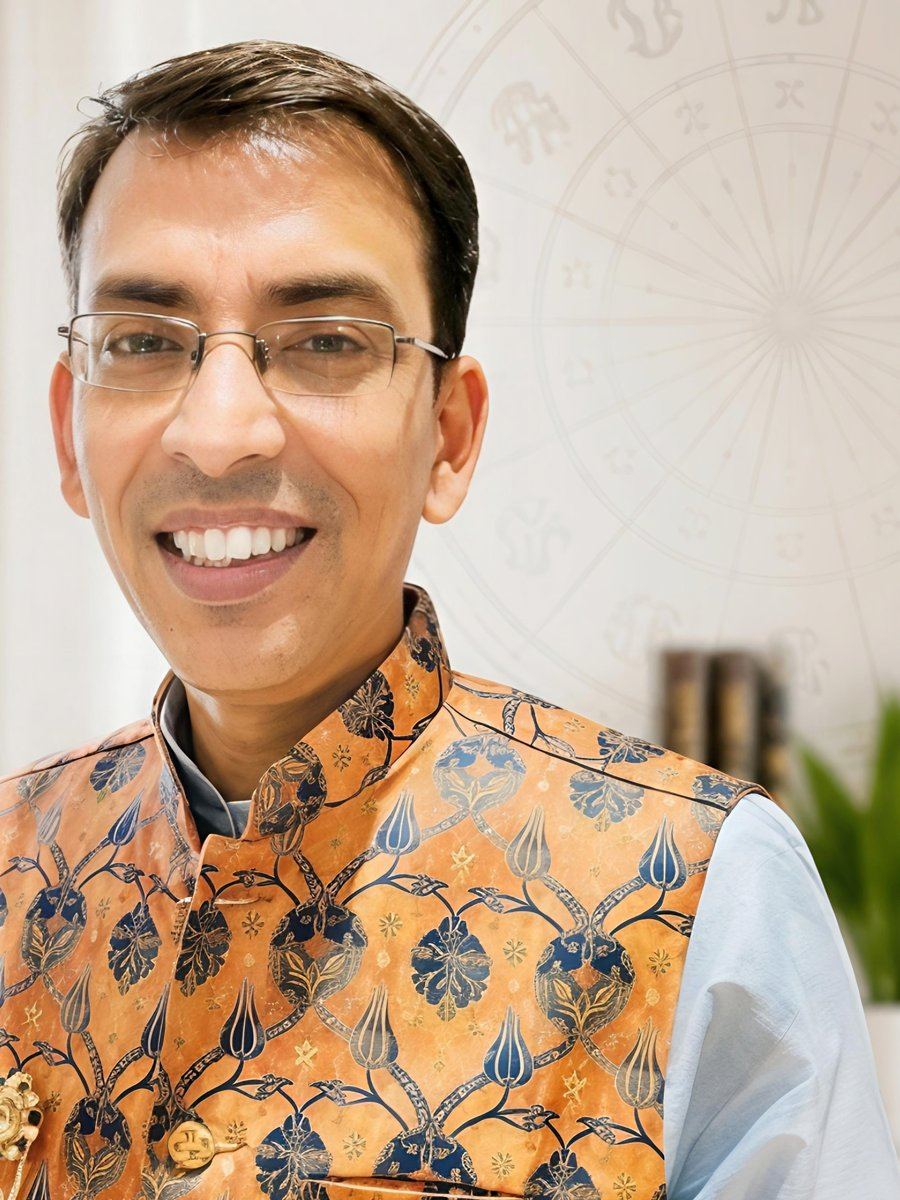
Astrology attracts as much misinformation from enthusiasts as it does from skeptics. A few of the most persistent myths are worth clearing up, even for people who take the practice seriously.
Myth one: your sun sign is the main thing that matters. In Vedic astrology, the Moon sign (Rashi) and Ascendant (Lagna) generally carry more weight than the Sun sign for personality and life-event reading — a common confusion for people used to Western tabloid horoscopes, which are almost entirely Sun-sign based.
Myth two: a "bad" planet in your chart is permanently bad. Planetary strength depends on house placement, aspects, Dasha timing, and the chart as a whole — a planet that seems unfavourable in one context can support very different outcomes depending on timing and combination with other factors. Treating any single placement as a fixed verdict misunderstands how charts are actually read.
Myth three: remedies work instantly. Traditional remedies — gemstones, mantras, donations — are generally understood as gradually strengthening or balancing a planetary influence over time, not as instant fixes. Anyone promising immediate, guaranteed results from a single remedy is overstating what classical texts actually claim.
Myth four: Manglik status always means marriage trouble. Mangal Dosha is one factor among several in compatibility analysis, and its effect depends heavily on both charts involved — a Manglik matched with another Manglik, for instance, is traditionally considered to largely cancel the concern.
Myth five: astrology can predict exact dates for everything. Even precision-focused systems like KP astrology work in probability windows and planetary timing, not calendar-certain predictions — a responsible reading gives you likely periods and tendencies, not guarantees pinned to a specific date.
Understanding these distinctions doesn't make astrology "more true" or "less true" — it just means engaging with what the practice actually claims, rather than the diluted version that circulates through generic horoscope apps and social media.